
Things to Do in Munnar: Tea Estates, Wildlife and Scenic Experiences
Published on : October 1, 2026
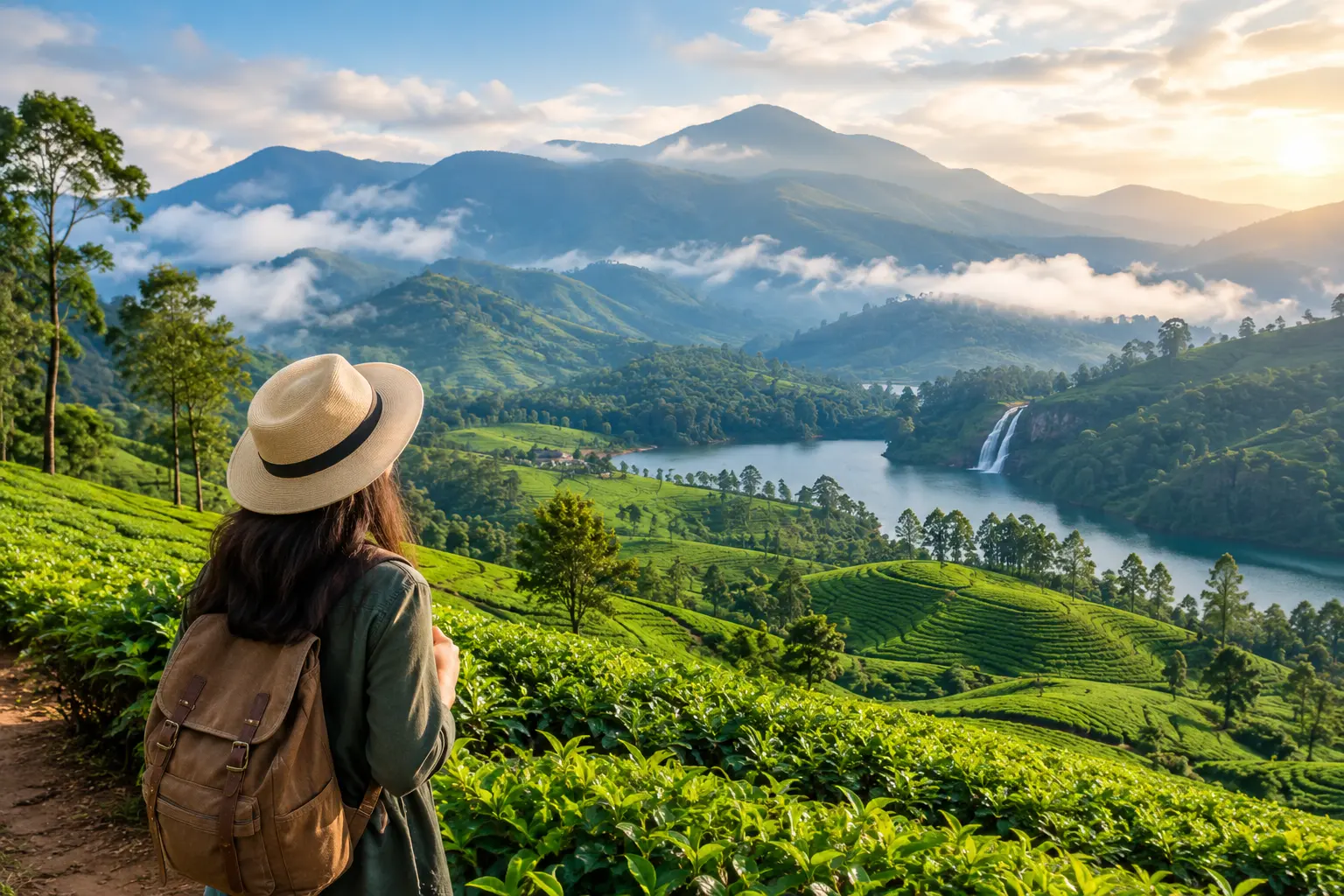
Some places make you slow down the moment you arrive. Munnar is one of them.
Set high in Kerala’s Western Ghats at around 1,600 metres (5,200 feet), this hill station is surrounded by rolling tea estates, misty valleys, waterfalls, and forested slopes. The cool climate is a welcome change from Kerala’s warmer lowlands, and the scenery offers plenty of reasons to stay outdoors.
Munnar was once a summer retreat for British planters. Today, it is one of South India’s most popular mountain escapes, known especially for its tea plantations and access to the Western Ghats.
If you are looking for the best things to do in Munnar, there is more to the destination than scenic viewpoints. You can walk through tea estates, visit a tea museum, look for the Nilgiri Tahr, explore spice plantations, visit waterfalls, or simply slow down and enjoy the mountain air.
Most of Kerala is warm, coastal, and tropical. Munnar feels completely different.
Its elevation keeps the climate mild, while morning mist often settles across the valleys and tea-covered slopes. Waterfalls appear along the mountain roads, and the surrounding forests provide a natural home for elephants, birds, and the rare Nilgiri Tahr.
The landscape is a major part of the experience. You can spend the morning walking through a tea plantation, drive to a high viewpoint in the afternoon, and finish the day with an Ayurvedic treatment or a quiet evening at your hotel.
This combination of nature, cooler weather, and easy access to outdoor experiences is also why Munnar features prominently in many luxury Kerala tours that combine the hills with Kerala’s backwaters and beaches.
Its plantations have shaped the region’s landscape and identity for generations, covering the hills with beautiful rows of green.
A slow walk through the tea estates is one of the simplest ways to experience Munnar. Neatly trimmed bushes stretch across the hills, with workers moving between the rows and picking fresh leaves by hand.
Early morning is particularly pleasant, when the light is soft and the air is cool. A guided walk can also help you better understand how tea is grown, harvested, processed, and eventually prepared for drinking.
For a more hands-on experience, you can join a cycle tour through Munnar’s tea plantations and learn more about the tea-making process along the way.
Also known as the KDHP Tea Museum, it is a useful stop for anyone interested in Munnar’s tea heritage.
The museum covers the history of tea production in the region and displays old photographs, machinery, and equipment. You can also see how tea leaves are processed before tasting freshly prepared tea.
Allow around an hour for the visit. It works particularly well as an introduction before exploring the plantations themselves.
For a more adventurous tea experience, head towards Kolukkumalai. At more than 2,000 metres, it is widely known as one of the world’s highest tea-growing estates.
The journey involves a rough mountain road, so a sturdy jeep is the practical way to reach the estate. The real reward comes at the top, especially around sunrise, when the surrounding hills and clouds create wide mountain views.
A guided jeep ride to Kolukkumalai Tea Estate can make the early start and mountain drive easier.
Munnar’s appeal extends beyond its tea gardens. The surrounding Western Ghats support a variety of wildlife, making the region a good base for nature-focused experiences.
Eravikulam National Park is one of the most important wildlife attractions near Munnar. Located around 15 kilometres (9 miles) from town, the park is known for the Nilgiri Tahr, a rare mountain ungulate found in the Western Ghats.
The park also offers impressive views across the high grasslands and mountain slopes. During the flowering season, the landscape can take on another colour when the Neelakurinji blooms.
The Neelakurinji is particularly unusual because it flowers en masse only once every twelve years. If your visit happens to coincide with a flowering season, it can be a memorable addition to a Munnar itinerary.
The park may close for a period during the calving season, and some areas are accessed via shuttle services. Check the latest opening information before planning your visit.
You can also look beyond Munnar itself if wildlife and nature are a major part of your trip.
A guided nature walk near Periyar National Park can complement the mountain experiences around Munnar. The wider Periyar region is known for its forests, birds, butterflies, and opportunities to spot larger wildlife.
Combining both areas works particularly well for travellers who want to experience Kerala beyond its tea plantations.
Munnar is naturally suited to scenic drives. The roads climb through tea gardens, forests, and mountain passes, with viewpoints appearing along the way.
Pothamedu is one of the easier viewpoints to include in a Munnar itinerary. Located close to town, it overlooks tea, coffee, and cardamom plantations spread across the surrounding slopes.
Visit around sunrise or sunset for softer light and clearer views across the valleys.
Top Station sits close to the Kerala-Tamil Nadu border at around 1,880 metres. The journey is part of the attraction, with winding roads passing tea gardens and mountain scenery along the way.
From the viewpoint, you can look across the Western Ghats and into the neighbouring Tamil Nadu landscape. Clearer days generally offer the best visibility.
Echo Point is a popular stop on the route towards Top Station. Its simple attraction is exactly what the name suggests: sounds echo back across the water and surrounding hills.
Nearby Kundala Lake is a quieter option. You can take a pedal or rowboat across the lake while enjoying views of the surrounding tea-covered slopes.
These two stops make for an easy half-day scenic drive.
Munnar’s hills become particularly dramatic during and after the monsoon, when streams and waterfalls gain volume.
Attukad Waterfalls is surrounded by forest and mountain scenery and is particularly attractive after the monsoon, when the flow is stronger.
A short walk from the road leads to the falls, making it an easy addition to a sightseeing day. The surrounding landscape also makes it a popular photography stop.
Mattupetty Dam and its lake sit among green hills and open mountain landscapes. You can take a boat ride on the lake or simply stop to enjoy the views.
The nearby Indo-Swiss dairy farm can also be included, particularly if you are travelling with children and want to add a relaxed activity to the day.
Munnar does not have to be a schedule of viewpoints and sightseeing stops. Some of the most enjoyable experiences are slower and more local.
The hills around Munnar grow several of Kerala’s famous spices, including cardamom, pepper, and cloves.
A guided plantation visit gives you a closer look at how these plants grow and how different spices are used in Kerala’s food and traditional practices.
You can also add a dedicated spice tour to your itinerary if you want to explore this side of Kerala in more depth.
After several days of walking, driving, and exploring the hills, an Ayurvedic treatment can be a relaxing way to slow down.
Many hotels and wellness properties in and around Munnar offer Ayurvedic treatments. If this is an important part of your trip, look for a reputable centre with qualified practitioners and clearly explained treatments.
Munnar town is small but useful for picking up local products. You will find fresh tea, spices, homemade chocolates, and other regional items in the markets.
Accommodation can also shape the experience. A plantation bungalow, heritage property, or family-run homestay can give you a quieter setting and a closer connection to the landscape.
If you want to combine these slower experiences with Kerala’s wider highlights, you can explore a range of thoughtfully planned Kerala tours that bring together Munnar, the backwaters, beaches, and other parts of the state.
Munnar has a pleasant climate for most of the year.
If you want comfortable weather, September to March is a good choice.
Munnar has no airport or railway station. Cochin International Airport is the nearest major airport, located about 110 kilometres (68 miles) away.
Aluva and Ernakulam are the nearest major railway stations. From either station, you can take a taxi or private car to Munnar.
The mountain drive offers beautiful views of tea gardens and forests.
Two to three days is enough for the main highlights, including tea plantations, Eravikulam National Park, and a few viewpoints.
If you prefer a slower trip, four or five days gives you more room for experiences such as Kolukkumalai, a spice plantation, nature walks, waterfalls, and time at your accommodation.
A longer stay also makes sense if Munnar is part of a wider Kerala itinerary. Instead of trying to see everything in two packed days, you can spread the experiences out and leave some time simply to enjoy the mountains.
Munnar is best known for its extensive tea plantations covering the Western Ghats. It is also known for its cool mountain climate, scenic viewpoints, wildlife, and the rare Nilgiri Tahr found in Eravikulam National Park.
Two to three days is enough for the main attractions, including tea plantations, Eravikulam National Park, and a few viewpoints. Four or five days work better if you want to add spice tours, nature walks, Kolukkumalai, wellness experiences, and more relaxed mornings.
The nearest major airport is Cochin International Airport, around 110 kilometres (68 miles) away. Aluva and Ernakulam provide the nearest major railway connections. From Kochi, most visitors continue to Munnar by private car or taxi along the winding hill roads.
Yes. Tea plantations are one of Munnar’s main experiences. Depending on the estate and tour, you can take a plantation walk, learn about tea production, visit the Tata Tea Museum, or join a guided cycle experience through the tea-growing areas.
Yes. Munnar offers several family-friendly experiences, including boat rides on Kundala Lake, the dairy farm near Mattupetty Dam, tea plantations, and wildlife experiences at Eravikulam National Park. The cooler climate also makes outdoor sightseeing more comfortable than in many lowland parts of Kerala.
With only two days, focus on the tea plantations, Tata Tea Museum, Eravikulam National Park, and one scenic route covering places such as Echo Point and Kundala Lake. If you prefer experiences over sightseeing, replace one viewpoint stop with a plantation or nature experience.
Our travel experts are here to help you craft the perfect itinerary — stress-free and tailored just for you.
Contact Our Travel Experts
This luxury India tour guide is researched and maintained by the Bespoke India Holidays team, a licensed luxury tour operator…

Often people ask, where do you actually go shopping in Delhi, is the market worth your rupees, and which are…

Delhi rarely gets the attention it deserves. Most itineraries treat it as a one-night stopover, tick a box or two,…
By:Acodez Web
September 8, 2026
Delhi rarely gets the attention it deserves. Most itineraries treat it as a one-night stopover, tick a box or two, and move on to Agra,…
Read Post
By:Acodez Web
August 14, 2026
Kerala is one of the few places in India where the weather can shape the entire travel experience. The same backwaters that are calm and…
Read Post