
Best Time to Visit Kerala: Weather and Travel Guide by Month
Published on : August 14, 2026

Kerala is one of the few places in India where the weather can shape the entire travel experience. The same backwaters that are calm and sunny in January can look completely different during the monsoon. Munnar can feel cool while Kochi is hot and humid. The landscape also changes from dry and bright to deep green after months of rain.
That is why there is no single best time to visit Kerala for everyone.
The right month depends on what you want to do. December to February is the most popular period for sightseeing and luxury Kerala tours. October and November are better if you want green landscapes with fewer crowds. June to August can be a good choice for an Ayurveda-focused trip, while March to May works well for hill stations and travelers looking for lower hotel rates.
Kerala has been attracting travelers for centuries. Its location on the Arabian Sea helped it become an important center for the spice trade. Traders from the Middle East, Europe, and other parts of Asia came here long before modern tourism began. Today, that history sits alongside the state’s better-known experiences such as houseboats, tea plantations, beaches, wildlife and Ayurveda.
Kerala welcomed a record 25.88 million tourist visits in 2025, according to the Kerala Tourism Department. This included 25.06 million domestic tourist visits, up 12.46% from 2024. Foreign tourist visits also rose to 821,999, an 11.3% increase from the previous year.
So when should you go? It depends on the Kerala you want to experience.
| Travel season | Months | What to expect | Best for |
| Peak season | December to February | Dry weather and comfortable temperatures | Sightseeing, backwaters and beaches |
| Shoulder season | March to May | Hotter weather and fewer crowds | Munnar, Wayanad, wildlife and lower rates |
| Southwest monsoon | June to September | Heavy rain and lush landscapes | Ayurveda, wellness and nature |
| Post-monsoon | October to November | Green scenery with improving weather | Backwaters, culture and fewer crowds |
For most first-time visitors, December through February is the safest choice. The weather is generally dry and comfortable. This makes it easier to combine several parts of Kerala in one trip.
You can spend a few days exploring Kochi and the backwaters. Then head into the hills for cooler weather in Munnar. You can also add a beach stay or a wildlife experience.
The downside is demand. December and January are the busiest months. Hotels, resorts and houseboats can fill up well ahead of time. Prices are also usually higher.
If you want similar weather without the busiest holiday period, late January and February are worth considering.
Kerala’s peak tourist season runs mainly from December through February. It coincides with the cooler and drier part of the year and is particularly popular with international travelers escaping winter in Europe and North America.
Kerala Tourism has previously noted that a large share of foreign arrivals comes during the January to March period. This makes the first few months of the year an important part of Kerala’s international tourism season.
December is especially busy around Christmas and New Year. Popular Kumarakom properties and houseboats can see strong demand during this period.
The weather is one of the biggest reasons. Kochi and other coastal areas are warm but generally comfortable for sightseeing. Munnar is much cooler because of its elevation.
If you are traveling during peak season, book accommodation and houseboats early. This is especially important if you want a particular resort or a private houseboat.
December and January offer some of the most reliable weather of the year.
Coastal areas such as Kochi are warm during the day. Munnar and other high-altitude areas are much cooler. Rainfall is usually limited, which makes this a good period for outdoor sightseeing.
The backwaters are also a major draw during these months. You can spend a day on a houseboat without having to plan around heavy rain.
The main disadvantage is the crowds. Christmas and New Year are among the busiest travel periods in Kerala. Rates can also increase during these weeks.
If you want the same general weather with slightly lower demand, consider the second half of January or February.
February is one of the easiest months to recommend for a first Kerala trip. The weather remains dry and comfortable in most popular tourist areas. Crowds are usually lighter than during Christmas and New Year. Hotel availability can also be better.
This makes February a good month for a classic itinerary that combines the backwaters, Munnar and the coast. It is also a useful option if you want good weather but do not want to travel during the busiest part of peak season.
March marks the start of the hotter months in Kerala.
Coastal and lowland areas become increasingly warm and humid. By April and May, daytime temperatures can reach the mid-30s Celsius. This can make long sightseeing days uncomfortable. The hills are a different story.
Munnar and Wayanad remain cooler because of their elevation. They can be a better choice during the hottest part of the year. This period can also offer better hotel rates. Travelers who are comfortable with the heat can use the lower demand to plan a more flexible trip.
Wildlife is another reason to consider these months. In places such as Periyar, animals can become easier to spot around remaining water sources as the hotter weather continues.
The southwest monsoon usually reaches Kerala in June. Rain can be heavy and persistent. Some low-lying areas can experience flooding, while rough seas can make beach activities unsafe. Some trekking routes may also be affected by the weather.
For a traditional sightseeing trip, this is not the easiest season.
But the monsoon creates a very different Kerala. The forests become intensely green. Tea plantations look fresh. Waterfalls become fuller. The landscape has a dramatic quality that is difficult to experience during the dry season.
This is also an important period for Ayurveda. Many wellness resorts promote the monsoon as a suitable season for Ayurveda and panchakarma treatments.
If wellness is the main reason for your trip, the monsoon can make sense. If your priority is beaches and long houseboat cruises, another season is usually better.
September can be an interesting month because the monsoon begins to ease in many parts of Kerala. The state may also celebrate Onam during August or September depending on the Malayalam calendar. It is Kerala’s major harvest festival.
Onam brings flower decorations, traditional meals and cultural celebrations. Some areas also host famous snake boat races.
The exact dates change each year, so check the festival calendar before booking a trip around Onam.
October and November can be an excellent compromise between weather and crowds. Kerala has usually had months of rain by this point. The result is a landscape that looks exceptionally green. Waterfalls are fuller and plantations and paddy fields are at their most vibrant.
There can still be rain because of Kerala’s second monsoon period. However, the weather generally becomes more manageable as November approaches.
Late October and November are especially attractive for travelers who want the scenery of the monsoon without the heaviest rainfall.
The other advantage is that the main December crowds have not yet arrived.
For a traditional houseboat experience, October through March is the most reliable period.
The weather is generally more suitable for spending time outdoors on the deck. Rain is also less of a concern than during the main monsoon.
Late October and November have another advantage. The backwaters and surrounding landscape are still fresh and green after the monsoon.
Many backwater itineraries begin around Cochin, making Kochi a convenient starting point for this part of the trip.
The hill stations are more flexible than Kerala’s coastal areas. Munnar and Wayanad remain cooler because of their higher elevation. This makes them useful additions to a Kerala itinerary even during the hotter months.
If you are traveling in April or May, spending more time in the hills can help you avoid the worst of the coastal heat.
Wildlife experiences can work throughout much of the year, but the conditions change by season. March to May can be a useful period for wildlife viewing in Periyar. As temperatures rise and smaller water sources dry up, animals may gather closer to remaining water sources.
The tradeoff is the heat.
For a more comfortable overall trip, December to February remains easier. For wildlife as the main priority, the hotter months can be worth considering.
| If you want… | Best time |
| Comfortable weather and sightseeing | December to February |
| Peak season experience | December and January |
| Good weather with fewer crowds | Late January to February |
| Lower hotel rates | March to May |
| Cooler hill stations | March to May |
| Wildlife experiences | March to early May |
| Ayurveda and wellness | June to August |
| Onam and cultural experiences | August or September |
| Green landscapes and fewer crowds | Late October to November |
| Houseboat trips | October to March |
Kerala is warm and humid for much of the year. Lightweight clothing is usually more comfortable than heavy fabrics.
If you are visiting Munnar or Wayanad, pack a light jacket. Even when the coast is hot, temperatures in the hills can fall considerably at night.
Rain protection is also useful outside the main monsoon season. A light rain jacket or umbrella takes little space and can be useful when weather changes unexpectedly.
If you are traveling during December or January, book popular hotels and houseboats early. Peak season demand can be strong.
During the monsoon, keep your itinerary flexible. Heavy rain can affect road travel, trekking and some outdoor activities.
November is one of the best all-around months for travelers who want green scenery and fewer crowds. December through February is better if reliable dry weather is your main priority.
Yes, but it depends on your plans. The monsoon works well for Ayurveda, wellness and lush landscapes. It is less suitable for beach holidays and outdoor activities that depend on dry weather.
The main peak season is December through February. December and January are usually the busiest, especially around Christmas and New Year.
October through March is generally the most reliable period for houseboat trips. Late October and November offer particularly green scenery after the monsoon.
Yes. Coastal and lowland areas can become very hot between March and May. The hill stations remain noticeably cooler because of their elevation.
Onam usually falls in August or September. The exact dates change each year because the festival follows the Malayalam calendar.
Kerala can be visited during the monsoon, but heavy rainfall can affect travel conditions. Check local weather and road conditions before travelling. It is also sensible to keep outdoor activities flexible during periods of heavy rain.
Our travel experts are here to help you craft the perfect itinerary — stress-free and tailored just for you.
Contact Our Travel Experts
India is home to some of the top luxury hotels in the world, offering memorable holidays, beautiful honeymoons, and amazing…
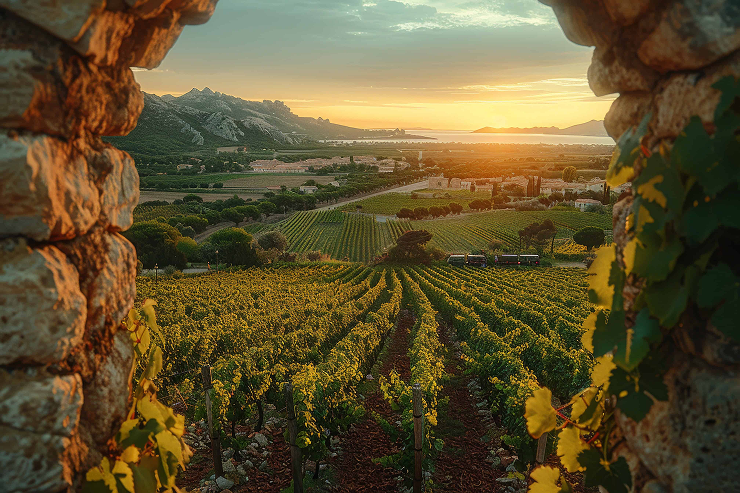
Hot Air Balloon experience Some things in life cannot be refused, and a thrilling experience of a hot air balloon…
Radisson Varanasi You are in Varanasi, the holiest temple town of Hindus, and wish nothing but the very best of…

By:Bespoke admin
June 11, 2010
If nature is the only thing you need to recuperate, travel to Alappuzha and experience a remix of your life and the elements playing…
Read Post
By:Acodez Web
October 12, 2026
Kerala is best known for its backwaters, beaches, and tea-covered hills. But beyond the familiar postcard views, the state has another, wilder side. The Western…
Read Post
By:Bespoke admin
July 10, 2013
India is a country with rich cultural heritage and beautiful places to see. If you are looking for a luxurious destination for your next vacation,…
Read Post