
Kerala Festivals Guide: Celebrations Worth Planning Your Trip Around
Published on : October 1, 2026
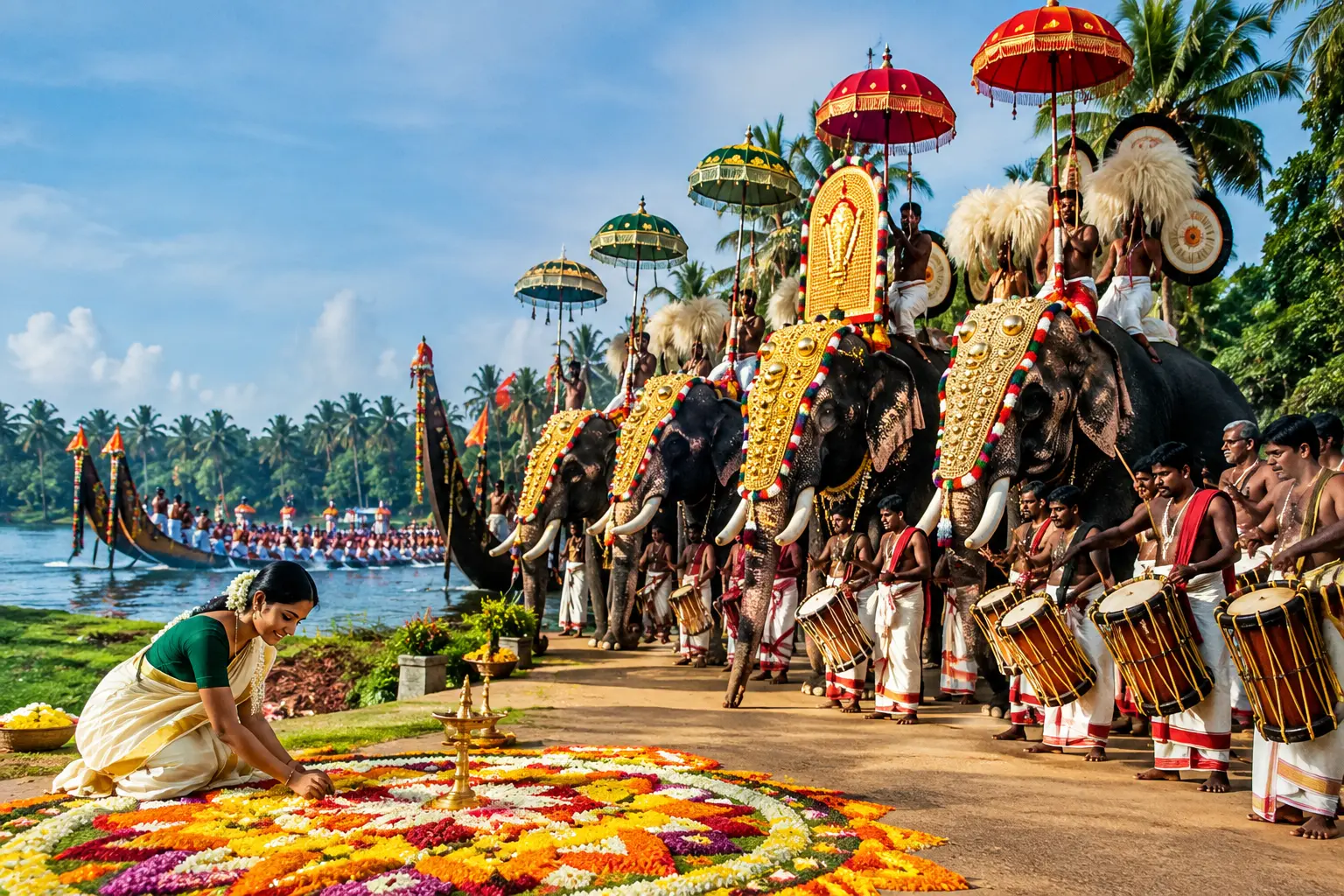
Kerala has a different energy during festival season. A quiet town can suddenly fill with music and people. Temple grounds come alive with drums. Long boats race across the backwaters. At home, families make flower designs, prepare elaborate meals, and spend time together.
These celebrations are a big part of everyday life in Kerala. They connect to the harvest, temple traditions, the Malayalam calendar, and local customs passed down for generations.
If you are planning a trip to Kerala, it is worth checking what is happening while you are there. You might even choose your travel dates around a festival. From the huge celebrations of Onam to the intimate traditions of Vishu and the ritual performances of Theyyam, each offers a different glimpse of the state.
Kerala has a rich mix of traditions. Hindu temple festivals, harvest celebrations, ritual performances, and local community events all have a place on the calendar.
What makes the festivals interesting for visitors is that they are not limited to one central venue. Some take place in major towns, while others are connected to a particular temple or village. You can walk through a town and find decorations outside homes, hear music coming from a temple, or come across a small local celebration that was never part of your original plan.
Most major festivals follow the Malayalam calendar, so their dates move from year to year. Keep that in mind when planning flights and hotels.
A festival can also become the starting point for a larger Kerala trip. You could spend a few days around the event and then continue to the backwaters, hill country, and beaches of Kerala.
If you want to experience Kerala at its most festive, Onam is a natural choice. The ten-day celebration usually falls in August or September and is linked to the harvest season and the story of King Mahabali. According to tradition, Mahabali returns to Kerala each year to visit his people.
You will see Onam preparations everywhere. Homes are decorated, families prepare special meals, and communities organize cultural events and competitions.
You do not have to attend one huge event to enjoy Onam. Much of the charm comes from seeing how families and local communities celebrate it in their own way.
Every spring, Thrissur hosts one of Kerala’s most famous temple festivals. Thrissur Pooram usually takes place in April or May and is known for its scale and energy.
Decorated elephants stand in rows during the main ceremonies, while large percussion groups perform traditional music. During the celebrations, people exchange ceremonial umbrellas, and fireworks are part of the evening program.
The drums are probably what you notice first. The sound builds as more musicians join in, creating an atmosphere that is hard to describe until you hear it in person.
If you are interested in Kerala’s temple traditions, music, and visual culture, Thrissur Pooram is an experience worth planning for.
Vishu usually falls in mid-April and marks the start of the new year in the traditional Malayalam calendar.
Compared with the crowds and spectacle of Onam or Thrissur Pooram, Vishu feels much more connected to the home.
The most important tradition is the Vishukkani. Families arrange flowers, fruit, rice, coins, a mirror, and other auspicious items the night before. Traditionally, this is arranged so that it is the first thing family members see when they wake up on Vishu morning.
Families also share meals, exchange gifts, and receive blessings from elders.
If you happen to be staying at a homestay during Vishu, you may get to see some of these traditions up close. It can be a lovely way to experience a side of Kerala that you would miss on a standard sightseeing itinerary.
Theyyam is one of the most distinctive traditions in northern Kerala. It is usually performed between December and April, although the exact dates depend on the location.
The preparation alone is fascinating. Performers spend hours having their faces painted and getting dressed in elaborate costumes. Some wear enormous headpieces and striking combinations of red, yellow, black, and white.
Once the performance begins, drums and ritual movements take over. The performer takes on the identity of the deity associated with that particular Theyyam.
There are hundreds of Theyyam forms, and each has its own story and appearance.
The best way to experience Theyyam is with respect for the ritual itself. Many performances take place in village temples or sacred spaces rather than conventional tourist venues, so local guidance is important.
Kerala is known for its calm backwaters, but during a snake boat race, things become anything but calm.
These traditional boats are long and narrow, with large teams of rowers sitting side by side. Everyone moves in rhythm, often accompanied by traditional songs from the boat.
Major races include:
The banks can get extremely lively during major races, with local spectators and visitors gathering to watch.
If you want to include a race in your trip, the backwater areas around Alappuzha and Kumarakom are useful bases for exploring this part of Kerala.
Attukal Pongala takes place in Thiruvananthapuram, generally in February or March. The festival is associated with the Attukal Bhagavathy Temple and centers on preparing pongala, a traditional sweet offering.
Large numbers of women gather around the temple and across nearby streets to prepare the offering over small fires. The sight of rows of cooking setups stretching across the city is striking.
This is a deeply religious celebration, so visitors should approach it with sensitivity. Follow local instructions, dress appropriately, and ask before photographing people or ceremonies.
Kerala’s festival calendar is much bigger than the handful of events that make it into international travel guides.
A few other celebrations worth knowing about include:
These smaller events can sometimes be more interesting than the big ones simply because they feel less formal and more connected to the local community.
If you are staying in one place for several days, ask your hotel or local guide whether anything is happening nearby.
| Festival | Typical Period | What It Is Known For |
| Onam | August to September | Flower decorations, feasts, boat races |
| Thrissur Pooram | April to May | Elephants, drums, umbrellas, fireworks |
| Vishu | Mid-April | Vishukkani and family traditions |
| Theyyam | December to April | Ritual dance and elaborate costumes |
| Snake Boat Races | June to September | Traditional boat racing and backwater celebrations |
| Attukal Pongala | February to March | Religious gathering and traditional cooking |
Festival dates can change each year. Confirm the exact dates before making travel arrangements.
A festival can be the highlight of a Kerala trip, but it also changes the way you need to plan.
Once you know which festival you want to attend, build the rest of your trip around it. This is particularly important for events such as Onam and Thrissur Pooram, when demand for nearby accommodation can increase.
Hotels in major festival towns can become busy well ahead of time. This is especially true around large events in Thrissur, Alappuzha, and Thiruvananthapuram.
Staying a little outside the main event area can sometimes give you more choice while still keeping the festival within easy reach.
This is one of those trips where packing every day with sightseeing can work against you.
Give yourself time around the festival. You may want to explore the local area, try a traditional meal, or simply recover after spending several hours in a crowded celebration.
Then continue with other parts of Kerala, including the backwaters, Munnar’s tea country, wildlife areas, or the coast.
Also Read: Best Things to Do in Kerala for First-Time Visitors
Planning a festival trip on your own is possible, but coordinating hotels, private transfers, sightseeing, local experiences, and festival timings can take time.
If you prefer a route arranged around your interests, Bespoke India Holidays’ luxury Kerala tour packages are worth considering. A tailor-made trip can combine a festival with the parts of Kerala you most want to see, rather than forcing you into a fixed sightseeing schedule.
For example, you could spend a few days experiencing Onam celebrations before heading into the hills, relaxing around Kumarakom’s backwaters, or finishing with a few quiet days on the coast.
The advantage is simple: the festival becomes part of the journey rather than something you have to fit into an already packed itinerary.
Remember that these festivals are important religious and cultural occasions, not just tourist attractions.
Dress appropriately when visiting temples, follow instructions from local organizers, and ask before photographing people or religious ceremonies. At some temple events, certain areas may be off-limits.
For another taste of Kerala’s performing arts, you can also add a Kathakali dance show in Cochin. Unlike seasonal festivals, Kathakali performances can generally be included at any time of year.
The best time depends on which celebration you want to see. August and September are the big months for Onam and many of Kerala’s major boat races. April and May bring Vishu and Thrissur Pooram. If Theyyam is on your list, look at the December to April period and check the schedule for the specific temple or village you want to visit.
If you also want comfortable sightseeing weather, build the rest of your itinerary carefully around the festival rather than choosing dates based only on the weather.
Onam is Kerala’s best-known festival. It is a ten-day celebration associated with the harvest and the legend of King Mahabali. Its best-known features include flower decorations, traditional meals, cultural events, and boat races.
Some of Kerala’s major festivals include Onam, Thrissur Pooram, Vishu, Theyyam, Attukal Pongala, and the state’s traditional snake boat races. Each one highlights a different part of Kerala’s cultural and religious traditions.
It depends on the festival. August and September are good months for Onam and boat races, April and May are important for Vishu and Thrissur Pooram, and December through April is the main period for Theyyam.
Thrissur Pooram is known for its decorated elephants, large traditional percussion performances, ceremonial umbrella displays, and fireworks. The festival takes place in Thrissur, usually in April or May.
Many festivals follow the Malayalam calendar, so their dates can move from year to year on the Gregorian calendar. Always check the exact dates for the year you plan to travel before booking your trip.
Yes. A festival can easily become one part of a larger Kerala vacation. You can combine it with the backwaters, Munnar’s tea plantations, wildlife experiences, beaches, and cultural activities such as Kathakali.
Our travel experts are here to help you craft the perfect itinerary — stress-free and tailored just for you.
Contact Our Travel Experts
US citizens need a valid visa to enter India. The fastest option is the e-tourist visa for US citizens to…
Agra is one of those cities that earns more respect the longer you stay. Most visitors arrive planning a day.…
India celebrates over 30 major festivals throughout the year, reflecting its diverse religious and cultural heritage. The top festivals of…
By:Acodez Web
September 7, 2026
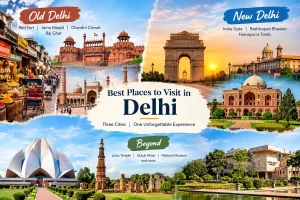
Delhi, the heartbeat of India, doesn’t fit neatly into a single postcard. Not one, but in reality, it’s three cities wearing one name. Old Delhi,…
Read Post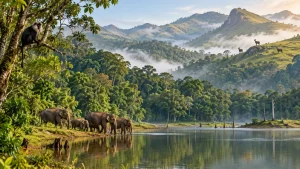
By:Acodez Web
October 12, 2026
Kerala is best known for its backwaters, beaches, and tea-covered hills. But beyond the familiar postcard views, the state has another, wilder side. The Western…
Read Post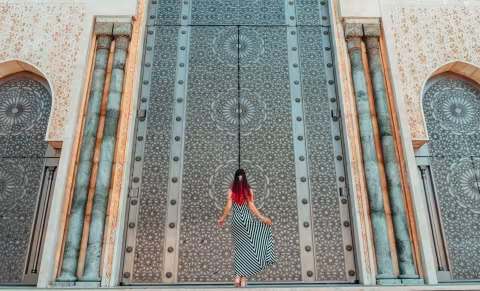
By:Bespoke admin
April 26, 2013
Like a sophisticated sand castle emerging from the semi-desert wilderness, this architectural wonder was constructed with Jaisalmer sand, cement and brick by the landlords of…
Read Post