
Top Festivals of India: 15 Must-See Indian Celebrations
Published on : August 7, 2020
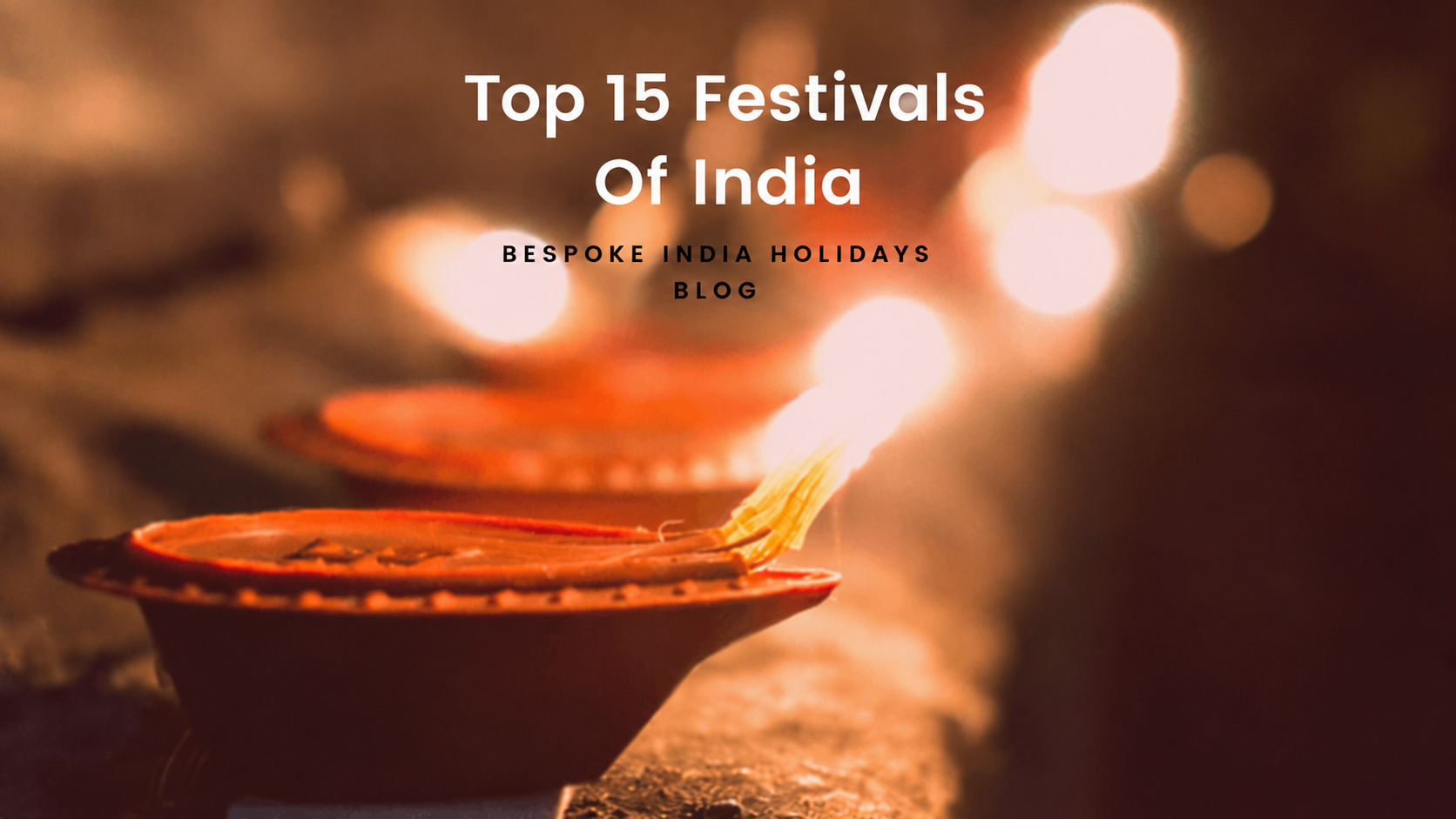
India celebrates over 30 major festivals throughout the year, reflecting its diverse religious and cultural heritage. The top festivals of India include Diwali (Festival of Lights), Holi (Festival of Colours), Durga Puja, Navratri, Ganesh Chaturthi, Onam, Pongal, Eid al-Fitr, Christmas, and Baisakhi. These festivals are celebrated with great enthusiasm across different regions and communities, offering travelers a unique glimpse into India’s rich traditions.
Festivals are one of the best ways to experience the culture and traditions of India. The different festivals celebrated in India span every religion, region, and season, making the country a year-round celebration of life and heritage. From Hindu festivals like Diwali and Holi to Islamic celebrations like Eid, Christian festivals like Christmas, and Sikh festivals like Baisakhi Indian festivals showcase the nation’s incredible diversity. Our India Travel Specialists offer tailor-made tours to help you experience the main festivals of India up-close. Below are 15 of the most popular and widely celebrated festivals in India.
| # | Festival | Type | Month | Region |
|---|---|---|---|---|
| 1 | Diwali | Hindu | Oct–Nov | Pan-India |
| 2 | Holi | Hindu | Feb–Mar | Pan-India (North India) |
| 3 | Ganesh Chaturthi | Hindu | Aug–Sept | Maharashtra, West & South India |
| 4 | Onam | Hindu | Aug–Sept | Kerala |
| 5 | Pongal | Hindu | January | Tamil Nadu |
| 6 | Durga Puja | Hindu | Sept–Oct | West Bengal, East India |
| 7 | Navratri & Dussehra | Hindu | Sept–Oct | Pan-India (North & West India) |
| 8 | Eid al-Fitr | Islamic | Variable | Pan-India |
| 9 | Christmas | Christian | 25 Dec | Pan-India (Goa, Kerala, Northeast) |
| 10 | Baisakhi | Sikh/Hindu | 13–14 Apr | Punjab, Haryana |
| 11 | Raksha Bandhan | Hindu | July–Aug | Pan-India |
| 12 | Janmashtami | Hindu | July–Aug | Pan-India (Mathura, Vrindavan) |
| 13 | Makar Sankranti | Hindu | 14–15 Jan | Pan-India |
| 14 | Maha Shivratri | Hindu | Feb–Mar | Pan-India |
| 15 | Pushkar Camel Fair | Cultural | Oct–Nov | Rajasthan |
The word Deepawali means rows of lighted lamps, is India’s biggest festival celebrated with so much excitement across the country, and usually falls in the month of Oct-Nov. Diwali is a five-day long festival, marking “Vasu Baras” as the beginning. Vasu Baras is a day dedicated to worship the cows. Cows are sacred in Hindu culture and on this day cows are beautifully decorated and women observe fasting. In the evening, first, the cows are fed, and then women break the fast. This day is largely celebrated in the state of Maharashtra.
Next on the Diwali calendar comes “Dhanteras”. This day is considered very auspicious for making new purchases, especially Gold, and hence Dhanteras is associated with wealth and prosperity. Then there is “Lakshmi Puja” which is the main day of Diwali. This day is dedicated to worship Goddess Lakshmi who is the Goddess of wealth. Every household in the country perform this Puja in the evening and light earthen lamps all around the house.
The day after Lakshmi Puja is the day to celebrate the love and devotion between husband and wife and is called “Padwa”. The last day of five days Diwali is “Bhai Duj” where the eternal love of a brother and sister is celebrated. Hence, it is always truly said that Diwali brings family and friends closer and thus is a major festival of the country.
One of the top festivals of India – Diwali
Holi festival is well-known to many as a festival where water and colours are splashed on each other, there is music, dance and so much fun. Children, youngsters & the elderly all participate in this. But Holi, like any other Indian Festivals, also has its origin in ancient Indian History and is celebrated for good harvest in the month of March every year. A day prior, a huge bonfire is lit up on the evening of Holi to burn the spirit of the evil and is famously called as “Holika Dahan”. On this day, people make arrangements and create a bonfire with collected dried leaves and stems, Cow Dung cakes, coconuts etc. A rangoli is made around the bonfire as good luck. Everyone gathers in the evening and lit up the bonfire, women perform the ritual around it and men try to take out the hot roasted coconut from the fire and then distribute it amongst all as “Prasad” (a devotional offering made to a god, typically consisting of food that is later shared among devotees). So, next time you travel to India, don’t forget to experience Holika Dahan- the other side of the festival and next day continue the celebration with colours and dance.
One of the Top Festivals of India – Holi (In Image – Holi ka Dahan)
Lord Ganesha festival is a 10 days long festival celebrated across India particularly in Maharashtra state and is filled with spirituality, devotion, and enthusiasm. You can see cities where the lanes are packed with large marquees that are beautifully decorated to welcome Lord Ganesha. Artisans display their creativity at its best in making the clay idols of Lord Ganesha and that can be felt when every devotee is seen emotionally attached to the idol. You can also experience the sensational & traditional drum beats during these 10 days. In the evenings, aarti ceremony is conducted which in itself an everlasting experience. Foodies can enjoy a traditional steamed Modak which is said to be the favorite food of Lord Ganesha (Stuffed with a mixture of Jaggery & grated coconut and covered with rice flour). On the last 10th day devotees immerse the Ganesha Idol into the sea or river marking the end of the festival. This festival usually falls mid-August to September. Bespoke Luxury India Travel specialists will help you plan a tour to enjoy Ganesha festival of India.
One of the Top Festivals of India – Ganesh Chaturthi
Onam festival is the most popular festival of Kerala, celebrated each year between August-September, which is the first month of the year as per the Malayalam calendar and the festival lasts for ten days. If you wish to visit and experience Kerala in its true traditional form then the time of Onam festival would be the best. Almost every house and temple in Kerala has an attractive flower decoration at the entrance during this festival which is called as Pookkalam. A delicious nine-course meal called Onasadya meal is prepared and served on a banana leaf. One can also enjoy the boat race which is another captivating event during Onam. Women perform folk dances, which includes Kaikottikkali dance a traditional clap dance. So, join the fun and festivities of Onam on your next tour with Bespoke India Holidays.
One of the Popular festivals of India that is celebrated in Kerala – Onam (Sadhya Meal)
Pongal is an ancient festival and the word “Pongal” means “to boil” which is derived from Tamil literature. It is a harvest festival similar to Holi & Baisakhi festival in the north that usually falls in the month of January-February. Pongal is a four-day long festival which starts with Bhogi as the first festival. On this day early morning, people start a bonfire along with playing drums and other musical instruments. Women chant mantras around the fire. One can see colourful rangolis outside every house. Then is Thai Pongal which is a harvest festival. The farmers who are dependent on the elements of nature like sun, rain, water, etc to get bountiful crop harvest, worship this day to thank mother nature. Mattu Pongal is the third day of Pongal and is dedicated to cattle, specifically bulls, as they play an important role in farming. On this day cattle are given a nice bath, decorated with garlands, their horns are painted and all farmers worship the cows by touching their forehead and feet to take blessings. Kaanum Pongal is similar to Diwali’s Bhai Dhuj or Rakshabandhan where families come together, spend time visiting each other and scrumptious meal is prepared and enjoyed.
To know why Durga Puja is the largest festival in India, one has to visit Bengal and indulge in this festival which is in the month of Ashvina (September-October). A nine-night long festival is a celebration of life where streets are seen with large marquees full of lights, traditional music, people worshiping, and hand-carved huge stunning idols of Goddess Durga. Mother Durga symbolizes the power of women, which includes both aspects of a fierce warrior and nurturer. Durga Puja is a celebration of victory of Goddess Durga over the demon Mahishasur. You can get into Bengali attire and participate in the traditional dance called “Dhunuchi dance” that is performed by all the devotees during Durga Puja on the drum beats. Also, light up an earthen lamp and seek blessing from the goddess. Like Ganesh Chaturthi Festival, the idol of Mother Durga is also immersed in the sea or river on the last day. The ambiance during Durga Pooja is like purifying your soul and heart.
“Nava” means nine and “Ratri” means night, as the name suggests it is a nine nights long festival similar to Durga Puja. Like Durga Puja, Navratri is also dedicated to Goddess Durga, but Navratri is also a celebration of victory of Lord Ram over Ravana. Navratri is more popular in the north-west region of the country and is celebrated in September-October every year. Many devotees follow strict fasting during this festival. Each of these nine days has a significant colour attached to it that is dedicated to distinct nine incarnations of Goddess Durga. During the festival, every evening will be filled with music, a traditional dance called “Garba” and ”Dandiya Raas” which is played throughout the night and one can see people clad with colourful dresses. In the southern India Navratri is celebrated in the form of “Golu” which is an artistic display of idols of God and Goddess, Dolls and animals that depict the stories of epics, Puranas, weddings, etc. These dolls are handed over from generation to generation. On the last day of Navratri which is called “Dussehra” is a celebration of victory of good over evil. On this day people worship all the tools that are used to earn an income like factory machinery, transport trucks, and other vehicles which is called as “Ayudha Puja”. In Northern India Navratri is celebrated twice a year and the first Navratri falls in March or April is known as Chaitra Navratri. So, on your next tour to India don’t forget to dance on the Garba beats during this festival.
One of the Top Festivals of India – Dusshera
Get a glimpse of these festivals on the Bespoke India Holidays Youtube channel.
Eid al-Fitr marks the end of Ramadan, the Islamic holy month of fasting. Celebrated across India by the Muslim community, this joyous festival begins with special prayers at mosques followed by feasting with family and friends. Traditional dishes like biryani, sheer khurma (vermicelli pudding), and kebabs are prepared. People wear new clothes, exchange gifts, and give to charity (Zakat al-Fitr). The festival promotes unity, gratitude, and compassion. Major celebrations can be witnessed in cities like Delhi (Jama Masjid), Hyderabad, Lucknow, and Mumbai.
Christmas is celebrated on December 25th across India, especially in Goa, Kerala, and the northeastern states. Churches are beautifully decorated, midnight mass is held, and carols fill the air. Families decorate Christmas trees, exchange gifts, and prepare festive meals featuring plum cakes, roast turkey, and traditional sweets. In Goa, you can experience vibrant street decorations and beach parties, while Kerala’s Christian communities celebrate with traditional feasts and nativity plays.
Baisakhi, celebrated on April 13th or 14th, marks the Punjabi New Year and the spring harvest. It also commemorates the formation of the Khalsa by Guru Gobind Singh in 1699. The festival is celebrated with great enthusiasm in Punjab and Haryana with vibrant Bhangra and Gidda dances, processions, and fairs. Devotees visit Gurudwaras for special prayers, and the Golden Temple in Amritsar becomes a focal point of celebration. Traditional foods like makki di roti and sarson da saag are enjoyed.
Raksha Bandhan celebrates the sacred bond between brothers and sisters, usually falling in July or August. Sisters tie a decorative thread (rakhi) around their brothers’ wrists, symbolizing love and protection. In return, brothers give gifts and promise to protect their sisters. The festival is celebrated across India with family gatherings, sweets, and festive meals. Markets are filled with colorful rakhis, and the day strengthens family bonds.
Janmashtami celebrates the birth of Lord Krishna, usually in August or September. Devotees fast, sing devotional songs, and perform dance-dramas (Ras Lila) depicting Krishna’s life. Temples are decorated, and at midnight (Krishna’s birth time), the deity is bathed, dressed, and worshipped. In Maharashtra, the Dahi Handi tradition involves forming human pyramids to break a pot filled with curd hung at a height. Mathura and Vrindavan, Krishna’s birthplace and childhood home, host grand celebrations.
Makar Sankranti, celebrated on January 14th or 15th, marks the sun’s transition into Capricorn (Makar) and the end of winter. It’s a harvest festival celebrated across India with different names: Lohri in Punjab, Pongal in Tamil Nadu, and Uttarayan in Gujarat. In Gujarat, the sky fills with colorful kites during the International Kite Festival. Traditional sweets made of sesame and jaggery (til-gul) are exchanged. People take holy dips in rivers like the Ganges, and bonfires are lit in northern states.
Maha Shivratri, falling in February or March, honors Lord Shiva. Devotees observe fasts, perform night-long vigils, and visit Shiva temples to offer milk, honey, and bel leaves. The festival symbolizes overcoming darkness and ignorance. Major celebrations occur at temples in Varanasi, Haridwar, and the Jyotirlinga shrines across India. Devotees chant ‘Om Namah Shivaya’ and some consume bhang (a traditional cannabis-based drink) as part of the celebration.
The Pushkar Camel Fair, held in October or November in Pushkar, Rajasthan, is one of the world’s largest camel fairs. Thousands of camels, horses, and cattle are traded. The fair features cultural events, camel races, folk performances, and competitions like the longest mustache contest. Pilgrims also take holy dips in Pushkar Lake. The vibrant atmosphere, colorful attire, and traditional Rajasthani culture make it a must-see event for travelers.
Diwali is the biggest festival in India, celebrated across the entire country by Hindus, Jains, and Sikhs. It is a five-day festival of lights, marking the victory of light over darkness and good over evil, usually falling in October or November.
Different Indian states celebrate unique regional festivals: Onam in Kerala, Pongal in Tamil Nadu, Durga Puja in West Bengal, Baisakhi in Punjab, Bihu in Assam, and the Pushkar Camel Fair in Rajasthan. These festivals reflect the diverse cultural heritage of India.
The best time to visit India for festivals is between October and March. This period includes major celebrations like Diwali (Oct-Nov), Durga Puja (Sept-Oct), Navratri (Sept-Oct), Christmas (December), and Makar Sankranti (January).
Diwali signifies the victory of light over darkness and good over evil. It commemorates Lord Rama’s return to Ayodhya after defeating Ravana. The festival involves lighting oil lamps (diyas), worshipping Goddess Lakshmi for prosperity, bursting fireworks, and sharing sweets with family and friends.
Holi is celebrated by throwing colored powders and water at each other, dancing to music, and enjoying festive foods. The night before, Holika Dahan bonfires are lit to symbolize the burning of evil. Holi marks the arrival of spring and celebrates good harvest.
No, Indian festivals include religious, cultural, harvest, and national celebrations. While many festivals like Diwali, Holi, and Eid have religious origins, others like Baisakhi, Pongal, and Makar Sankranti are harvest festivals. India also celebrates national festivals like Republic Day and Independence Day.
Our travel experts are here to help you craft the perfect itinerary — stress-free and tailored just for you.
Contact Our Travel Experts
Delhi doesn’t ease first-time visitors. One afternoon you’re staring up at the city’s tallest flex, and an hour later you’re…
A holiday is a time to be what you are not, and do what you haven’t. How about a boot-camp…
India is a country with rich cultural heritage and beautiful places to see. If you are looking for a luxurious…
By:Acodez Web
September 4, 2026
Agra is one of those cities that earns more respect the longer you stay. Most visitors arrive planning a day. Many end up wishing they’d…
Read Post
By:Acodez Web
February 25, 2026
India is a country that is brimming with diversity, culture, historical sites, and travel experiences that will leave any visitor with memories to cherish for…
Read Post
By:Bespoke admin
May 7, 2013
The North India geographical contours include the majestic Himalayas and the historic Indo-Gangetic Plain. This part of India has seen the mixing of so many…
Read Post