
Find Out the Best Time To Visit Rajasthan and Skip The Crowds
Published on : November 4, 2025
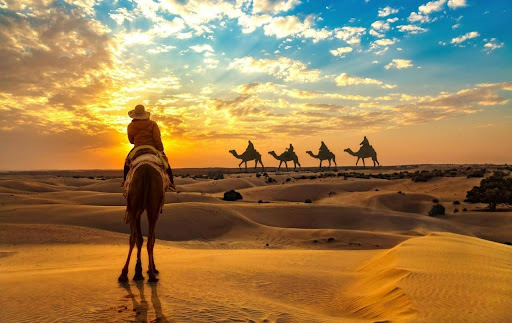
The best time to visit Rajasthan is from October to March, when daytime temperatures range from 20°C to 30°C (68°F to 86°F) and evenings are cool and pleasant. This period offers ideal weather for exploring forts, palaces, and desert landscapes, plus major festivals like the Pushkar Camel Fair (November) and Jaipur Literature Festival (January). Summer (April-June) brings extreme heat (up to 45°C/113°F) but fewer crowds and lower prices, while monsoon (July–September) transforms the desert with greenery and romantic ambiance.
The state of Rajasthan is a beautiful tourist destination in India, and is known as the Land of Kings. It offers pink palaces in Jaipur, blue houses in Jodhpur, golden dunes in Jaisalmer, and pleasant lakes in Udaipur. The location combines tradition and royal aspects, giving the essence of luxury and royalty.
This blog informs you of the best time of the year for a trip to Rajasthan. To avoid crowds and experience different types of seasons, such as winter, monsoon, and summer days, you need to keep some points in mind before visiting.
Crowd levels in Rajasthan often follow a pattern due to the rapid weather fluctuation. The tourist visiting season arrives between the winter months from October to March. On the other side, off-season travels from April to September offer fewer crowds and more affordable options for hotels and experiences.
Understanding the rhythm of the weather will help you on your visit to Rajasthan, according to your preference:
Why is it underrated? – Rajasthan is hot during summer; daytime temperatures fluctuate between 35-45°C (95-113°F), with some desert cities like Jaisalmer and Bikaner reaching up to 48°C (118°F). Nevertheless, this season also allows you to go to quiet palaces and empty forts and get lower money for luxurious accommodations.
Monsoon (July to September): Rajasthan’s Most Romantic and Refreshing Season
Why is it Magical? – In the season of monsoon, the deserts of Rajasthan become a glittering heaven. The rains relieve the heat and provide a fresh and new look to the desert. Average temperatures range from 25-35°C (77-95°F), with cooler evenings and occasional showers that bring relief from the heat, an ideal time for travelers seeking peace and the revival of nature.
Why is it Magical? – In the season of monsoon, the deserts of Rajasthan become a glittering heaven. The rains relieve the heat and provide a fresh and new look to the desert. Its average temperature fluctuates between 25 degrees Celsius and 35 degrees Celsius, an ideal time to visit during the process of seeking peace and the revival of nature.
Medallion is a paradise for photographers and travellers who explore art. The comparison of wet, rainy forts, foggy mountains, and colourful markets makes an enthralling view.
Best time: October-April (park closed July-September). May and June offer the highest chance of tiger sightings as animals gather near waterholes.
Best time: October-March for comfortable evenings. Avoid May-June when daytime heat exceeds 45°C.
Best time: October-November (post-monsoon greenery) and February-March (clear skies, golden light). Monsoon (July-September) offers dramatic cloudy skies and wet forts.
Best time: November (Pushkar Camel Fair, Diwali), January (Jaipur Literature Festival), February (Jaisalmer Desert Festival), March (Holi, Gangaur).
Best time: April-June for cool relief (20-30°C) when the rest of Rajasthan is scorching. Also pleasant October-March.
Rajasthan receives moderate rainfall during monsoon, averaging 100-165mm per month, with rain typically lasting less than an hour. Note that Ranthambore National Park closes from July to September.
Rajasthan can be visited at any time of the year, and each season gives different experiences. Winter is your season if you want the power, essence, and the fun that come with the festivals. Shoulder seasons are the safest times if you prefer individuality and a good price.
A trip to Rajasthan during October and the end of March offers the best mix of experiences and views for photographers and explorers who have a knack for new places. Contact Bespoke India Holidays for a smooth travel experience.
The best months to visit Rajasthan are October, November, February, and March, when temperatures range from 20°C to 30°C (68°F to 86°F) and major festivals take place.
Yes, if you can handle heat (35-45°C/95-113°F). Summer (April-June) offers 30-50% lower hotel prices, empty forts and palaces, and better tiger sightings at Ranthambore. Mount Abu and Udaipur remain pleasant.
October to March is ideal for families, with comfortable weather for children, safe outdoor activities, and vibrant festivals like the Pushkar Camel Fair and Jaipur Literature Festival.
No. Rajasthan receives moderate rainfall (July-September), averaging 100-165mm per month. The desert landscape turns green and romantic, with fewer tourists and lower prices.
January is the coldest month, with daytime temperatures around 20-22°C (68-72°F) and nights dropping to 5-10°C (41-50°F) in cities like Jaipur and Jodhpur.
Absolutely. Monsoon (July-September) offers a unique experience with cooler temperatures (25-35°C), lush greenery, romantic ambiance, and festivals like Teej in Jaipur. Ranthambore National Park closes, but cities and palaces are beautiful.
Our travel experts are here to help you craft the perfect itinerary — stress-free and tailored just for you.
Contact Our Travel Experts
Enter any chat room or community of travel enthusiasts and you will discover 90% of the world has heard…
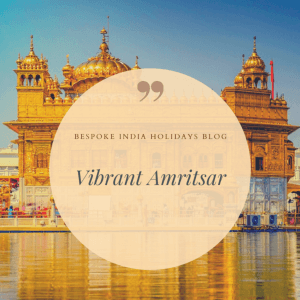
“Sat Sri Akaal” means “Truth is the name of God”, you will always be greeted by a “Sat Sri Akaal”…
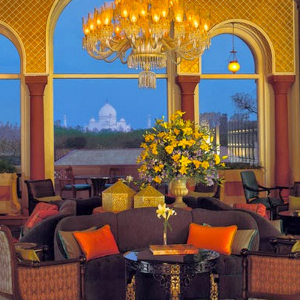
India is home to some of the top luxury hotels in the world, offering memorable holidays, beautiful honeymoons, and amazing…
By:Acodez Web
September 4, 2026
Agra doesn’t give you a bad visit. It gives you a foggy one, a scorching one, a crowded one, or the kind where the marble…
Read Post
By:Acodez Web
September 29, 2026
Six centuries of traders have passed through Kochi, and almost all of them left something behind. The Portuguese built the first European church in India…
Read Post
By:Acodez Web
March 13, 2026
For travellers seeking a remarkable experience, few destinations offer the richness and diversity of India. The heritage, culture, and exclusivity of India are so beautifully…
Read Post