
15 Best Things to Do in Jaipur for First-Time Visitors
Published on : August 27, 2026
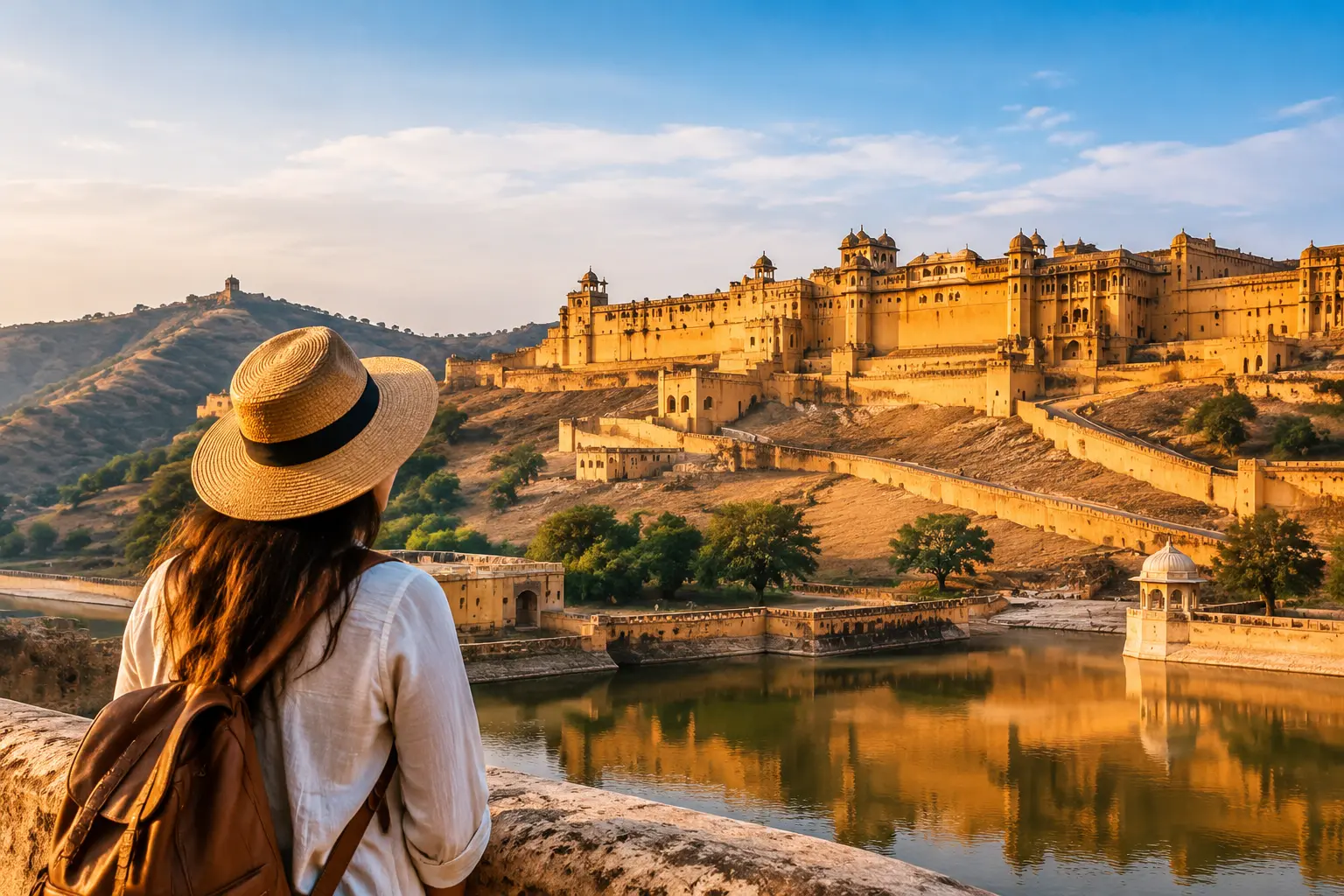
Jaipur is one of those cities that can feel like a lot on your first visit. There are forts on the hills. There are palaces in the old city. Busy bazaars and quiet courtyards. Then there are the experiences that have nothing to do with monuments at all. That variety is a big part of Jaipur’s appeal.
The city was founded in 1727 by Sawai Jai Singh II. It was designed as a planned commercial city with a grid layout. Its broad streets and organized markets were unusual for an 18th-century Indian city. The historic walled city is now a UNESCO World Heritage Site.
Jaipur is still a major draw for international travelers. In 2025, Rajasthan welcomed over 1.95 million foreign visitors, with Jaipur remaining the top district for international arrivals. Travelers from the United States and European nations remained among Rajasthan’s largest foreign source markets.
This guide covers 15 things to do in Jaipur. They are grouped by the kind of experience they offer. You will find the major forts and palaces first. The list then moves into views, local culture, food, shopping, wildlife, and slower experiences. You do not need to do all 15 in one trip. Two to three days is enough to cover the major highlights and add a few experiences that match your interests.
From royal landmarks and local food to cultural walks and unique experiences, Jaipur offers plenty to explore. Here is a quick overview of the 15 experiences in this guide before we look at each one in more detail:
| Experience | Best for | Suggested time |
| Amber Fort | History and architecture | 2 to 3 hours |
| Jal Mahal | Sunrise and photography | 30 to 45 minutes |
| Hawa Mahal | Architecture and city views | 1 hour |
| City Palace | Royal history | 2 to 3 hours |
| Nahargarh Fort | Sunset and city views | 1 to 2 hours |
| Hot air balloon ride | Adventure and views | 2 to 3 hours |
| Elefantastic | Ethical animal experience | 2 to 3 hours |
| Heritage walking tour | Local history | 2 hours |
| Street food tour | Rajasthani food | 2 to 3 hours |
| Spiritual walking tour | Local culture | 2 hours |
| Vintage car tour | Slow sightseeing | 2 to 3 hours |
| Old city bazaars | Shopping and crafts | 2 to 3 hours |
| Heritage palace stay | Luxury and history | Overnight |
| Rooftop dining or drinks | Evening experience | 1 to 2 hours |
If this is your first time in Jaipur, begin with the places that explain the city’s royal history.
The forts and palaces are not simply photo stops. They show how Jaipur was planned and how the royal family lived. They also help you understand why the city became one of Rajasthan’s most important cultural destinations.
Amber Fort, also called Amer Fort, sits on a hill about eleven kilometers from central Jaipur.
It is one of the first places to visit on a first trip. Arrive around opening time at 8 am. The courtyards are usually quieter early in the morning. The cooler temperatures also make the climb and sightseeing more comfortable.
Take time to see the Sheesh Mahal, or Mirror Palace. Its walls are covered with small mirrored tiles that reflect light across the room.
Skip the elephant rides to the fort entrance. A car or a walk is a better option from an animal welfare perspective.
Jal Mahal is one of Jaipur’s most recognizable sights.
The palace appears to float in the middle of Man Sagar Lake. Visitors cannot normally enter the palace, so this is a short stop rather than a long sightseeing visit.
Sunrise is one of the best times to see it. The early light can turn the water and palace warm shades of pink and gold.
It also works well as part of a morning route to Amber Fort.
Hawa Mahal is probably Jaipur’s most recognizable building.
The palace was built in 1799. Its many small windows allowed royal women to watch life on the streets without being seen.
Most visitors stop outside for a photograph. It is worth seeing the building from inside too. Then head to a rooftop cafe across from the palace.
A chai and a few quiet minutes on a rooftop can give you a much better view of the full facade.
The City Palace gives you a closer look at Jaipur’s royal history.
The complex includes courtyards, museums, royal buildings, and private areas that are still connected to the former ruling family.
The standard visit covers the main public areas. A guided Royal Tour offers access to additional rooms and private spaces.
If you only take one guided tour in Jaipur, this is a good place to do it. The history and details are much easier to understand with local context.
Once you have covered the main monuments, change the pace.
These experiences show Jaipur from above or let you experience the city in a more unusual way.
Nahargarh Fort sits on the ridge above Jaipur.
It was part of the defensive system that also included Amber and Jaigarh forts. The fort itself is less elaborate than Amber. The main reason to visit is the view.
As the sun sets, the city spreads out below you.
You can drive up to the fort or make the journey more active with a cycle tour up to Nahargarh.
A hot air balloon ride offers a completely different view of Jaipur.
A dawn hot air balloon flight takes you over the Aravalli hills and the landscape around the forts.
The early start is worth it for the light and cooler weather.
This is a good choice if you want one experience that feels different from traditional sightseeing.
An elephant experience can be memorable. The way you do it matters.
Instead of an elephant ride, choose an experience focused on animal care. You can feed, bathe, and spend time with elephants without riding them.
Elefantastic is one of the best-known options near Jaipur.
It is especially suitable for families and travelers who want an animal encounter without making riding part of the experience.
Jaipur becomes more interesting when you leave the main tourist circuit for a while.
The old city still has working craft traditions. Its markets are active. Its temples are part of everyday life. A local guide can help you notice these details.
Jaipur’s old city is easier to understand on foot.
A guided architectural and heritage walking tour takes you through the Pink City’s gates, streets, and older neighborhoods.
You can see traditional workshops and smaller havelis between the major landmarks.
This is also one of the best ways to understand Jaipur’s original city plan.
Jaipur’s temples often receive less attention than its forts and palaces.
A spiritual walking tour offers a different look at the city. You can visit temples and historic havelis while learning more about local traditions.
Some tours also include tea with a local family.
It is a slower experience. That makes it a good choice after a busy day of sightseeing.
Jaipur’s culture is not limited to its buildings.
Food and shopping are part of the city experience. Both are worth giving their own time rather than squeezing them between monument visits.
Jaipur’s food deserves more than a quick restaurant stop.
A guided street food tour can introduce you to local favorites such as dal baati churma and pyaaz kachori.
You can also try lassi and other traditional snacks.
For a more relaxed meal, look for a rooftop restaurant serving a Rajasthani thali. The food is only part of the experience. The old city views make the evening more memorable.
You do not have to be a serious shopper to enjoy Jaipur’s markets.
Johari Bazaar is known for jewelry. Bapu Bazaar is popular for textiles and leather goods. Smaller lanes around the old city are good places to look for blue pottery, lac bangles, and other crafts.
Even if you do not buy anything, walking through the bazaars gives you a better sense of the city’s commercial traditions.
Jaipur was designed as a trading city. Its markets remain an important part of that identity today.
The city’s shopping scene is substantial enough to deserve its own guide. For a first visit, however, spending an afternoon in one or two markets is enough.
You have seen the forts. You have walked through the old city. Now give yourself time to enjoy Jaipur without a checklist.
A vintage car tour turns sightseeing into part of the experience.
You will still see some of Jaipur’s familiar landmarks. The difference is how you move between them.
A restored classic car gives the experience a slower and more theatrical feel. It can work particularly well for couples or travelers looking for something beyond standard sightseeing.
Your hotel can be part of your Jaipur experience.
Heritage properties such as Samode Palace and Taj Rambagh Palace place you inside the architectural world that defines Jaipur.
These properties are more than places to sleep. Their courtyards, rooms, gardens, and service can become part of the trip.
For a luxury holiday, this is worth considering when choosing where to stay.
Do not rush through your Jaipur evenings.
Several hotel bars and rooftop restaurants pair good food and drinks with city views. Some are set inside restored buildings with courtyards and traditional interiors.
A rooftop drink with the Pink City around you can be a simple way to end a busy sightseeing day.
It also gives you a chance to experience Jaipur after the main monuments have closed.
The best first visits do not always end with another attraction.
After a full day, choose one slower experience. You could return to a rooftop restaurant. You could walk through the old city after the heat drops. You could spend time at your heritage hotel.
Jaipur is a city that rewards slowing down.
The famous sights will give you the history. The quieter moments often give you a better sense of the city itself.
Trying to cover all 15 experiences in one day is a mistake. A better approach is to group nearby places and leave time between major stops.
Start at Amber Fort around opening time.
Stop at Jal Mahal on the way back toward the city. Spend the afternoon at the City Palace and Hawa Mahal.
Finish the day at Nahargarh Fort for sunset.
Start with an architectural and heritage walking tour.
Spend time around Hawa Mahal and the old city bazaars. Add a street food tour in the afternoon or evening.
If you prefer a quieter experience, replace the food tour with a spiritual walking tour.
Use the third day for something that matches your travel style.
You could take a hot air balloon flight in the morning. Families may prefer Elefantastic.
Couples may prefer a vintage car tour and a relaxed evening at a heritage hotel.
You do not need a third day if your schedule is tight. You can comfortably cover the main sights in two full days.
The best time for sightseeing in Jaipur is generally from October through March.
Rajasthan Tourism describes winter as the state’s most favorable travel season. Temperatures are generally milder during the day, although December and January can bring much cooler nights. Winter also brings several major cultural events and festivals.
October and November are particularly useful for travelers who want comfortable weather without the busiest part of the winter season.
December through February is the main high-demand period. Book popular hotels and experiences early if you are traveling around Christmas, New Year, or major festivals.
April through June can be very hot. Rajasthan Tourism lists summer temperatures that can reach up to 45°C in its broader seasonal data. Early mornings and evenings are more comfortable during this period.
Two to three full days is a good amount of time for a first visit. Two days cover the main forts, palaces, and old city. A third day gives you room for food, shopping, a hot air balloon ride, or another special experience.
Amber Fort, Hawa Mahal, and the City Palace are the main highlights. After those, choose experiences based on your interests. A street food tour works well for food lovers. A hot air balloon ride is good for adventure. Nahargarh is ideal for sunset views.
Around opening time is one of the best options. The weather is cooler, and the fort is usually quieter before larger tour groups arrive.
Yes. Jaipur has enough history, food, shopping, and local experiences to fill two or three days without rushing.
Elephant rides are widely discouraged because of animal welfare concerns. A better option is an experience focused on feeding, bathing, and observing elephants without riding them.
Yes. Jaipur has several heritage hotels and palace properties. The city also offers private tours, fine dining, classic car experiences, and other ways to personalize your trip.
Wear modest clothing that covers your shoulders and knees. You usually remove your shoes before entering temples. A light scarf is also useful for sun protection and religious sites.
You can see the major landmarks in one long day, but it will feel rushed. Two days is better for a first visit. Three days gives you time to add food, shopping, and unique experiences.
Our travel experts are here to help you craft the perfect itinerary — stress-free and tailored just for you.
Contact Our Travel Experts
Samode Palace Before the headlines, here is some breaking news: Somewhere in Rajasthan, lies a spot that gives a touch…
If nature is the only thing you need to recuperate, travel to Alappuzha and experience a remix of your…
The city of Joy, Kolkata is a vibrant 350 years old metropolis and is the capital of West Bengal. Formerly…
By:Bespoke admin
April 28, 2010
You don’t need a travel advisor to tell you holidaying in a desert is simply not done, but you need a travel connoisseur to debunk…
Read Post
By:Bespoke admin
November 23, 2020
The pioneer of organic farming in Sikkim Mr. Pawan Chamling (Former Chief Minister of Sikkim), highlights the importance of organic farming in his…
Read Post
By:Bespoke admin
October 3, 2010
The desire of a romantic India honeymoon tours conjures images of solitary walks on a beach, watching the sunset together and a candle lit dinner…
Read Post