
Best India Wildlife Holidays 2026: Experience Central India Wildlife with Bespoke India Holidays
Published on : March 24, 2026
India is a place that has nature that remains wild and natural. As you go through the forests, grasslands, and wetlands, you soon realise that wildlife here moves at its own pace. We enjoy sharing these experiences with travellers who want to understand the reality of the country through Bespoke India Holidays. Lover of nature, photography, and purposeful travel: India wildlife holidays are made for people like this.
When you are taking one of our wildlife holidays in India, you are not visiting national parks per se. You enter the territory where tigers are free, the elephants work in the forests, and the sky is covered with rare birds. Our central India wildlife holidays are especially renowned for tiger sightings in Madhya Pradesh’s premier reserves. Our tours are well-planned to ensure you can observe the beauty of Indian wildlife in the comfort of travel, with expert guides.
Timing your wildlife holidays in India correctly can make the difference between a good trip and an unforgettable one. Most central India wildlife holidays are best planned between October and June, when parks are open and wildlife activity peaks.
October to March offers pleasant weather (15-25°C) and is ideal for birdwatching, as migratory species arrive in parks like Bharatpur and Kaziranga. However, dense foliage can make tiger sightings harder in early winter.
April to June is peak tiger-spotting season. Summer heat (35-45°C) dries up water sources, forcing tigers and other animals to visit remaining waterholes especially in Ranthambore, Bandhavgarh, and Kanha. While temperatures are high, sighting success rates are at their best.
July to September
For the best wildlife holidays in India, we recommend booking central India parks (Madhya Pradesh) for April-May tiger safaris, and northeastern parks (Kaziranga) for November-March rhino and bird viewing.
India has one of the world’s richest wildlife populations. You can be taken through the drought-ravaged forests of Rajasthan, the green jungles of central India, and the wetlands of the northeast, and each of them has its own animals. Many travelers combine wildlife safaris with our Golden Triangle tours or Kerala backwater cruises for a complete India experience.
Most travellers have a thing to say whenever we take them on India wildlife holidays; they did not anticipate this kind of diversity. India is home to approximately 3,167 wild tigers (2022 census), representing 75% of the world’s tiger population a conservation success story driven by Project Tiger and community-led protection. One day you may be tracking tigers in the woods, and the next day you may be observing rhinos on riverbanks.
The wildlife that you might come across includes:
By travelling with us, we not only help you see places with stunning views but also observe nature and the conservation policies in place.
Bengal Tiger (Panthera tigris tigris)
India’s national animal and the star of most central India wildlife holidays. Adult males weigh 200-260 kg and are most active at dawn and dusk. Best seen in Bandhavgarh, Ranthambore, Kanha, and Corbett.
Found almost exclusively in Kaziranga National Park, Assam, which hosts over 2,400 individuals-two-thirds of the world’s population. These prehistoric giants weigh up to 2,200 kg and graze in grasslands and wetlands.
Asian Elephant (Elephas maximus)
Smaller than African elephants, with smaller ears and a single finger-like projection on the trunk. Large herds roam Periyar, Nagarhole, Bandipur, and Corbett. Best seen during dry season at waterholes.
Asiatic Lion (Panthera leo persica)
The world’s only wild population (approximately 674 individuals) lives in Gir National Park, Gujarat. Slightly smaller than African lions, with a distinctive belly fold.
Barasingha / Swamp Deer (Rucervus duvaucelii)
Endemic to India and critically endangered. Kanha National Park is the stronghold, where conservation efforts have brought the population back from near extinction. Males have magnificent 12-point antlers.
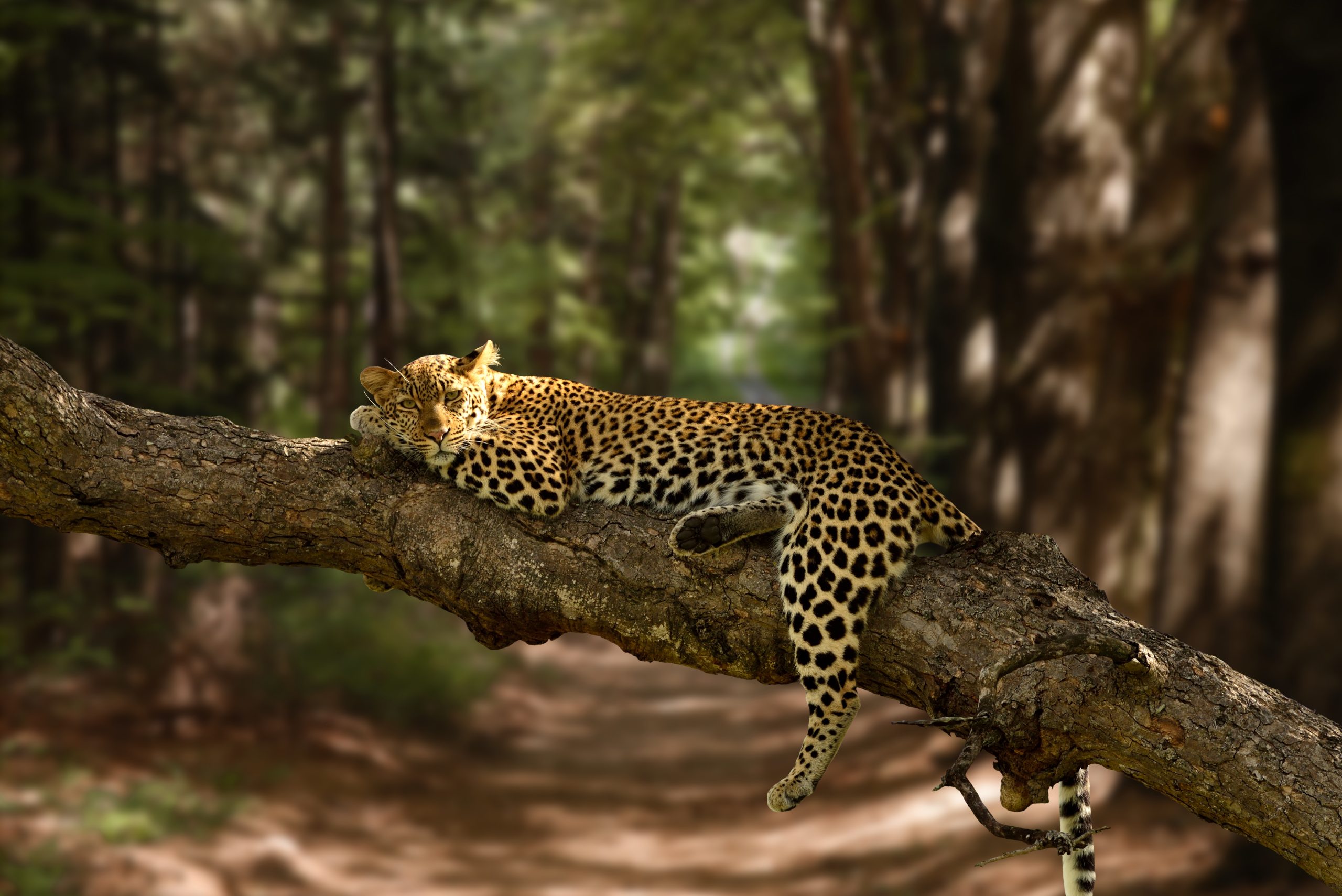
Leopard (Panthera pardus)
Widespread but elusive. Best spotted in Jawai (Rajasthan), Bandhavgarh, and Nagarhole. Leopards are adaptable and often seen resting on tree branches.
Indian Birdlife
India hosts over 1,300 bird species. Highlights include the Malabar pied hornbill, sarus crane (world’s tallest flying bird), Indian roller, white-breasted kingfisher, and hundreds of migratory waterfowl in winter.
Jeep Safaris
The most common safari type. Open-top 4×4 jeeps (Gypsy or Maruti) carry 6 passengers plus a driver and naturalist. Morning safaris (6-10 AM) and afternoon safaris (3-6 PM) offer the best wildlife activity. Available in all major parks.
Elephant-Back Safaris
Offered in Kaziranga and some Corbett zones. Elephants can navigate tall grasslands and wetlands inaccessible to vehicles, providing close rhino and tiger encounters. A unique, traditional experience.
Boat Safaris
Walking Safaris
Permitted in buffer zones of parks like Satpura, Pench, and Kanha. Accompanied by armed forest guards, these walks focus on tracks, scat, smaller mammals, and birdlife. A more intimate, educational experience.
India’s wildlife tourism plays a vital role in conservation funding and community livelihoods. Park entry fees, safari permits, and lodge revenues support anti-poaching patrols, habitat restoration, and local employment.
We partner with eco-lodges and community-run accommodations that reinvest in conservation. Our guides are trained naturalists who educate travelers on species behavior, threats (habitat loss, human-wildlife conflict), and ongoing protection efforts.
When you book wildlife holidays in India with Bespoke India Holidays, you contribute directly to Project Tiger, rhino protection programs, and grassland restoration initiatives. We follow Leave No Trace principles and encourage responsible photography (no flash, no baiting, no off-road driving).
In recent years, we have spent a lot of time in various national parks across the country. Every park has a personality, and we like to make travellers feel it.
Ranthambore National Park
One of the places where tigers can be well seen in the natural environment is Ranthambore in Rajasthan. The ancient ruins, lakes, and dry forests form a beautiful environment for wildlife. The experience of seeing a tiger crossing the forest road is one of the thrills that many of our wildlife tour visitors in India will never forget.
Bandhavgarh National Park
Bandhavgarh National Park in Madhya Pradesh is renowned for having the highest tiger density in India, with approximately 100 tigers in a core area of 716 km². This gives visitors exceptional sighting odds often multiple tigers in a single safari. The park is also home to over 250 bird species, leopards, sloth bears, and the rare white tiger gene pool. You can hear birds calling and deer alarm calls alerting a predator in the forest when you go driving around at sunrise. Such moments give our central India wildlife holidays a special touch.
Kanha National Park
Kanha is an open meadow with dense forest and free-roaming animals. We love going to this park because there is a good chance of seeing barasingha deer, wild dogs, and, in some cases, tigers lying down in the grass.
Kaziranga National Park
Kaziranga National Park in Assam is famous for its one-horned rhinoceroses. You can view these giant animals safely with elephant safaris and jeep rides. Numerous birds are also attracted to the wetlands, and this is ideal if you love birdwatching.
Periyar and Nagarhole
In southern India, there are Periyar and Nagarhole, where elephants, bison, and leopards are seen. Cruises on Periyar Lake are particularly quiet, and most travellers enjoy seeing animals approach the lake.
At Bespoke India Holidays, we specialize in tailor-made holidays for central India wildlife and beyond. We take time to understand what you desire for your trip. Some may want to have an adventure and see tigers, while others may want to see birds up close or take photos of nature. Every itinerary is bespoke designed around your interests, pace, and budget.
We consider finer details when developing wildlife tours in India, which makes the tours more enjoyable.
Here is how we plan our trips:
We have been going to these parks frequently, so we know how to organize a trip to them without it feeling rushed.
At Bespoke India Holidays, wildlife travel is one of the things we really like to share. Jay Kajaria, a founder of our company, is a nature photographer and a lover of nature, which is why we plan our trips that way. We hear what you desire from your journey when you go with us. Other tourists long to see wild tigers. Others desire to enjoy mornings in quietness, watching the birds in a forest lake. Each itinerary we provide is tailored to your interests to make the trip special.
If you have been considering visiting the national parks in India, our team will be glad to assist you in planning the best experience. You can make your India wildlife holidays full of beautiful forests, exciting safaris, and experiences that will stay in your mind for many years.
What is the best time for wildlife holidays in India?
The best time for central India wildlife holidays is April to June for tiger sightings (peak season due to water scarcity) and October to March for pleasant weather and birdwatching. Most parks close during the monsoon (July-September).
Which national park has the highest chance of seeing tigers?
Bandhavgarh National Park in Madhya Pradesh has the highest tiger density in India (approximately 100 tigers in 716 km²), offering the best odds for sightings, followed closely by Ranthambore and Kanha.
Are wildlife holidays in India safe?
Yes. All safaris are conducted in closed vehicles or on elephant-back with trained naturalists and forest guards. Parks enforce strict safety protocols, and dangerous wildlife encounters are extremely rare.
What should I pack for a wildlife safari in India?
Pack neutral-colored clothing (khaki, olive, beige), a wide-brimmed hat, sunscreen, binoculars, a camera with a telephoto lens, insect repellent, and a light jacket for early morning safaris (October-February).
Can I see the Big Five in India?
India does not have Africa’s Big Five, but it offers the ‘Indian Big Five’: Bengal tiger, Asian elephant, one-horned rhinoceros, Asiatic lion (Gir only), and leopard. Our tailor-made holidays can cover multiple parks to maximize sightings.
How many safaris should I book per park?
We recommend a minimum of 4-6 safaris (2-3 days) per park to increase your chances of tiger and other wildlife sightings, as animal behavior is unpredictable.
Our travel experts are here to help you craft the perfect itinerary — stress-free and tailored just for you.
Contact Our Travel Experts
“Sat Sri Akaal” means “Truth is the name of God”, you will always be greeted by a “Sat Sri Akaal”…
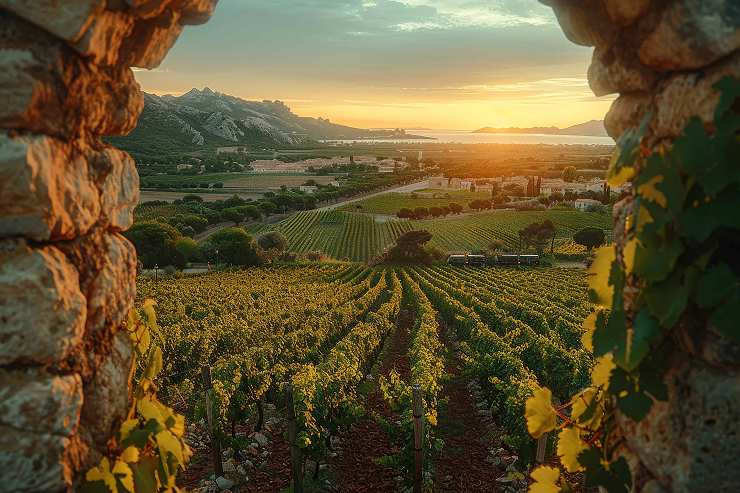
The North India geographical contours include the majestic Himalayas and the historic Indo-Gangetic Plain. This part of India has seen…
Kerala Ayurveda It’s an irony of the times we live in, which is little appreciated, though taken for granted: Alternative…
By:Bespoke admin
April 19, 2013
Hot Air Balloon experience Some things in life cannot be refused, and a thrilling experience of a hot air balloon is one such thing. Such…
Read Post
By:Bespoke admin
October 3, 2010
The desire of a romantic India honeymoon tours conjures images of solitary walks on a beach, watching the sunset together and a candle lit dinner…
Read Post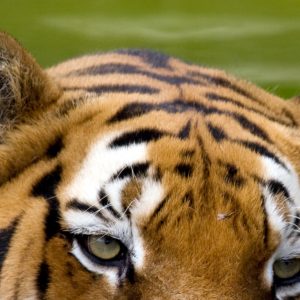
By:Bespoke admin
March 4, 2014
India is considered as the home for 1200 species of birds and 350 mammals preserved in 89 national parks, 13 Bio reserves and nearly 400…
Read Post